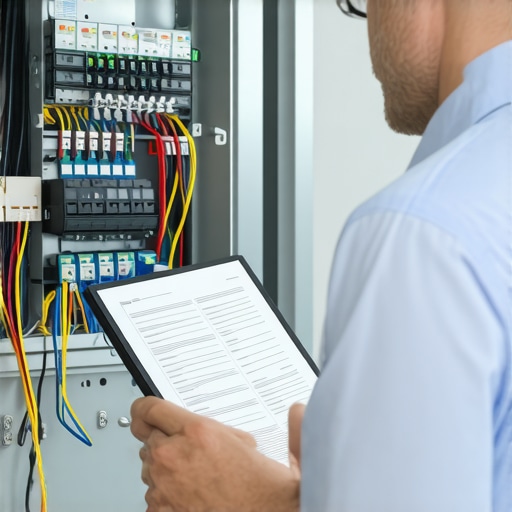

3 New 2026 Code Rules That Fail Your Panel Upgrade Permit
I remember the moment clearly—after investing in a new EV charger, I eagerly scheduled my panel upgrade only to hit a wall. The permit got delayed, paperwork rejected, and frustration set in. Turns out, three new 2026 code rules had sneaked in, making my upgrade process more complicated than ever. That lightbulb moment made me realize I wasn’t alone—many homeowners and electricians are facing similar hurdles.
Today, I want to guide you through these new rules that could potentially derail your panel upgrade plans—and more importantly, how you can successfully navigate the maze. If you’re planning to upgrade your electrical system for better EV charging, understanding these rules could save you time, money, and unnecessary stress.
The Hidden Landmines in 2026’s Code Changes
Every few years, electrical codes evolve to enhance safety and efficiency. But the 2026 update introduces three rules that, if overlooked, can cause your permit applications to fail. These aren’t just bureaucratic hoops—they could lead to costly repairs or even legal issues if ignored. My early mistake was assuming these new rules were just minor tweaks—only to learn they have a big impact on permit approvals. Mistakes like relying on outdated checklists can bite you in the end. To truly grasp how to stay compliant, I recommend reviewing the comprehensive guidelines on [how to verify code compliance](https://brightsparkzelectric.com/how-to-verify-code-compliance-for-your-ev-charger-installation).
Is the New Complexity Worth It? A Closer Look
Some skeptics think these code changes are overkill or too bureaucratic, but the reality is they’re designed to keep us safe. Still, navigating these rules can seem intimidating—after all, code compliance is a complex puzzle. But I’ve found that a little knowledge goes a long way. If you’ve ever been frustrated with permit setbacks, you’re not alone. Many electricians and homeowners face the same challenge—another reason to arm yourself with the right information. And it’s crucial to recognize that early missteps, like ignoring updated safety requirements, can compromise your entire project. Want to ensure your home is up to date? Check out [panel upgrades for EV chargers](https://brightsparkzelectric.com/panel-upgrades-for-ev-chargers-what-you-need-to-know) for practical tips.
By understanding these new code rules now, you can prevent permit rejections and keep your EV charging project on track. Next, let’s look at what these rules are and how you can get ahead of the curve to ensure smooth approval—and get back to enjoying your EV without unnecessary delays.
,
Assess Your Current Electrical System
Start by evaluating your existing electrical panel. Like inspecting the foundation before building a house, ensuring your panel can handle an EV charger is crucial. I once attempted a DIY assessment and overlooked a 2026 code requirement, which caused permit delays. To avoid similar setbacks, use a flashlight to check your panel’s amperage rating and look for signs of aging or damage. Knowing your base allows you to plan effectively and prevents surprises later.
Select the Right Panel Upgrade Strategy
Upgrading your panel isn’t just about installing a bigger breaker; it’s about smart planning. Think of it as upgrading from a bicycle to a motorcycle — both get you from point A to B, but the latter requires different infrastructure. I recommend contacting a licensed electrician to determine if a simple breaker replacement suffices or if a complete panel upgrade is needed. Be sure to review [panel upgrades for EV chargers](https://brightsparkzelectric.com/panel-upgrades-for-ev-chargers-what-you-need-to-know) to understand your options and costs.
Ensure Compatibility with New 2026 Rules
The 2026 code updates include specific requirements for breaker types, wire sizing, and grounding. Think of these rules as the new traffic laws—failure to obey can lead to fines or dangerous situations. I once missed a grounding requirement, resulting in an inspection failure. To stay compliant, request your electrician to verify all components align with [how to verify code compliance](https://brightsparkzelectric.com/how-to-verify-code-compliance-for-your-ev-charger-installation). This step saves time and keeps your project moving forward.
Prepare for Permit Submission
Document every detail — from panel specs to wiring diagrams — like assembling a suitcase for a trip. Good documentation makes the permit process smoother. I once submitted incomplete paperwork and faced multiple revisions. To streamline, work with your electrician to compile all necessary forms and ensure they reference current codes. Confirm that your plans reflect the latest changes, especially those emerging from the 2026 updates.
Coordinate Installation Carefully
Timing matters—coordinate with your electrician to schedule installation when all permits are approved. Think of this as setting a date for a big event. During installation, ensure all work adheres strictly to safety standards, especially regarding grounding, breaker placement, and wire routing. I once watched an installer overlook a simple grounding detail, risking code violation. Always ask to review their work and compare it against [expert tips for panel upgrades](https://brightsparkzelectric.com/expert-guide-to-panel-upgrades-code-compliance-for-ev-safety-in-1615). This vigilance keeps your setup compliant and safe.
Conduct Post-Installation Checks
After installation, perform thorough testing — much like a mechanic checking a new engine. Test the EV charger with different devices, monitor for tripping breakers, and confirm proper operation. For quick fixes, reference [troubleshooting common issues](https://brightsparkzelectric.com/ev-charger-troubleshooting-expert-tips-for-common-issues). This step ensures your system functions reliably and adheres to code standards, preventing future problems and costs.
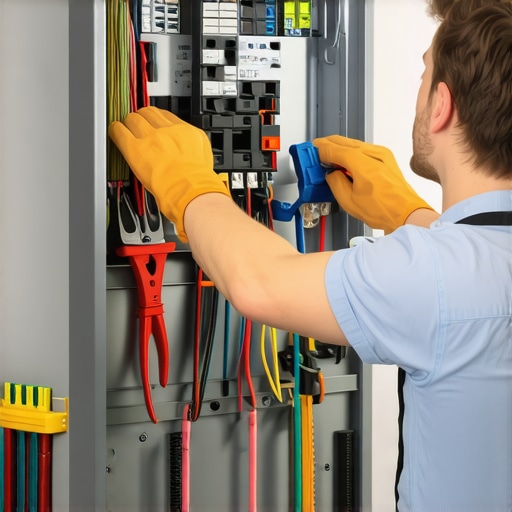 While many homeowners believe that troubleshooting EV chargers is straightforward or that code compliance is merely bureaucratic red tape, these assumptions often lead to costly mistakes. A frequent misconception is that upgrading your panel is as simple as swapping out a breaker, but in reality, nuances in newer 2026 code rules require careful planning and professional verification. Overlooking these details can result in permit rejections or dangerous setups, especially if you rely on outdated checklists or ignore subtle code updates. Experts emphasize that understanding advanced nuances, such as proper grounding techniques and wire sizing compliant with the latest standards, is crucial for safe and legal installation, as reinforced by industry standards from organizations like the NEC. This is why a comprehensive review of your existing system with a qualified electrician can prevent future headaches. Have you ever fallen into this trap? Let me know in the comments.
Maintaining Your EV Charging System for Long-Term Success
Keeping your electric vehicle charger functioning optimally requires more than just initial installation; it demands ongoing maintenance and the right set of tools. Over time, environmental factors like dust, moisture, and temperature shifts can impact electrical connections and hardware reliability. To ensure your charger remains safe and efficient, I personally rely on a combination of specialized equipment and systematic practices.
My Go-To Multimeter for Precise Diagnostics
I recommend investing in a high-quality multimeter with clamp functionality, such as the Fluke 325. This tool allows me to perform quick current measurements without disconnecting wiring, saving time during routine checks. Its true RMS readings help verify that voltage levels stay within the recommended range, preventing issues like tripping breakers or inadequate charging speeds. Regularly measuring the voltage and current flow—especially after weather events—helps catch potential problems early.
Infrared Thermometer for Spotting Overheating
An infrared thermometer, like the Etekcity Lasergrip, is essential for quick surface temperature checks of panels and wiring. Overheating components often indicate loose connections or overloaded circuits. Routine scans after installation or severe weather can prevent dangerous malfunctions. I’ve found that identifying hotspots early can save hundreds in repairs and avoid fire hazards.
Software Tools for Monitoring and Troubleshooting
Beyond hardware, I leverage diagnostic apps compatible with smart EV chargers. Manufacturers like ChargePoint often provide real-time data and error logs accessible via mobile devices. Monitoring these logs helps me detect connectivity issues or firmware discrepancies. For instance, using the [troubleshooting guidance](https://brightsparkzelectric.com/troubleshooting-ev-charger-connectivity-problems) can pinpoint if a firmware update or network reset can restore full functionality, reducing downtime significantly.
Scheduled Inspection and Cleaning Routines
Establishing a maintenance schedule is critical. Every three to six months, I inspect all visible wiring, tighten connections, and clean dust from vents with a soft brush or compressed air. This prevents debris buildup, which can Insulate components and lead to faults. Keeping a detailed checklist ensures consistency and helps track recurring issues or wear patterns over time.
Predicting Tool Evolution and Future Trends
As EV technology advances, integration of smart maintenance systems may become mainstream. Predictive analytics, driven by IoT sensors embedded in chargers, could alert homeowners about component deterioration before failure occurs. Staying updated with manufacturer firmware releases and diagnostic software will be key to maintaining performance. Looking ahead, investing in versatile test equipment that can adapt to new standards will become increasingly important.
If you haven’t already, try implementing routine voltage checks with your multimeter and observe for any irregular readings. These small steps can prevent major issues and extend your charger’s lifespan. For comprehensive troubleshooting practices, consult [expert tips](https://brightsparkzelectric.com/ev-charger-troubleshooting-expert-tips-for-common-issues) and keep your system running smoothly.
The Hardest Lesson I Learned About EV Charger, Troubleshooting, Code Compliance, Panel Upgrade
One of the most eye-opening experiences was realizing how overlooked details in the 2026 code could quietly sabotage my entire project. A small misunderstanding about ground wiring turned into a weeks-long delay, reminding me that even experts can underestimate the intricacies of new regulations. The lesson? Never assume you’re fully up-to-date—always double-check with reliable sources and consult with licensed professionals who stay current on code updates.
3 Myths About EV Charger, Troubleshooting, Code Compliance, Panel Upgrade That Held Me Back
Myth one: “If it worked before, it will work now.” The truth is, each code update can invalidate previous assumptions. Myth two: “DIY is just as good as a licensed electrician.” Wrong—appliance and panel work require certified expertise, especially with new safety mandates. Myth three: “Standards are too complicated to understand.” In reality, with targeted resources and a clear plan, mastering key code changes is achievable. Recognizing these misconceptions early saved me from costly mistakes and made the process smoother.
What Experts Won’t Tell You About EV Charger, Troubleshooting, Code Compliance, Panel Upgrade
Many professionals sideline the importance of proactive planning—waiting until problems arise before addressing them. But seasoned experts know the value of anticipating code changes and modifying systems, sometimes years before mandates take effect. For example, investing in a versatile panel now can prevent costly upgrades later. These insights emphasize that early action and education are your best tools against unforeseen setbacks; staying informed through [expert guides](https://brightsparkzelectric.com/troubleshooting-ev-charger-connectivity-problems) is essential for peace of mind.
Curated Resources for Future-Proofing Your EV Setup
To keep ahead of evolving standards, I rely on authoritative sources like the National Electrical Code updates and trusted industry blogs. The comprehensive guides at [how to verify code compliance](https://brightsparkzelectric.com/how-to-verify-code-compliance-for-your-ev-charger-installation) have been invaluable for diagnosing and ensuring my systems meet all new requirements. Additionally, tools like digital wiring diagrams and professional consultation services from licensed electricians provide the clarity I need to make confident upgrades. These resources empower me to stay compliant without overwhelm.
Keep Moving Forward with Confidence
Adapting to the 2026 code landscape may seem daunting, but remember that each step you take improves your home’s safety and your confidence as an EV owner. Embrace the learning process, leverage expert advice, and don’t hesitate to reach out if you need personalized guidance. Your future self will thank you for being proactive now, ensuring your home’s electrical system keeps pace with your mobility goals. Are you ready to tackle your EV charger upgrade with fresh insight? Share your plans or questions below—let’s learn together!
Your post really resonated with me, especially the part about how overlooked details in the 2026 code could derail a project. I had a similar experience where neglecting the grounding requirements led to a major delay, even though I thought I was on top of everything. It underscores how complex and nuanced these newer regulations are, and how critical it is to work with licensed electricians who stay current. I wonder, has anyone found particular resources or training that help non-professionals better understand these evolving codes? I believe that proactive education plays a huge role in avoiding costly mistakes, especially for homeowners trying to DIY some upgrades. Also, with the rapid development of smart tech in EV chargers, do you think future codes will become even more complex? Would love to hear others’ insights on staying ahead of these changes.
Reading about these new 2026 code rules really made me think about how quickly regulations are evolving, especially with the rapid growth in EV tech. I’ve had my fair share of frustrations trying to keep up—just last year, I overlooked some updates on wire sizing, and it caused a major delay. It’s clear that staying informed is crucial, but I wonder how many homeowners are actually aware of these changes before they start a project. I totally agree that working with licensed, current-savvy electricians is key to avoiding pitfalls. Has anyone tried specific training programs or online courses to better understand these updates? Personally, I’ve found that joining local electrical safety seminars helps a lot, but I’m curious about recommendations from others who might have found even more effective resources. As EV technology advances, do you think future codes will become even more detailed or complicated? How are others planning to prepare for that? Would love to hear your thoughts and experiences.